Tradition, innovation, and expertise: the history of Sprimont Blue

History

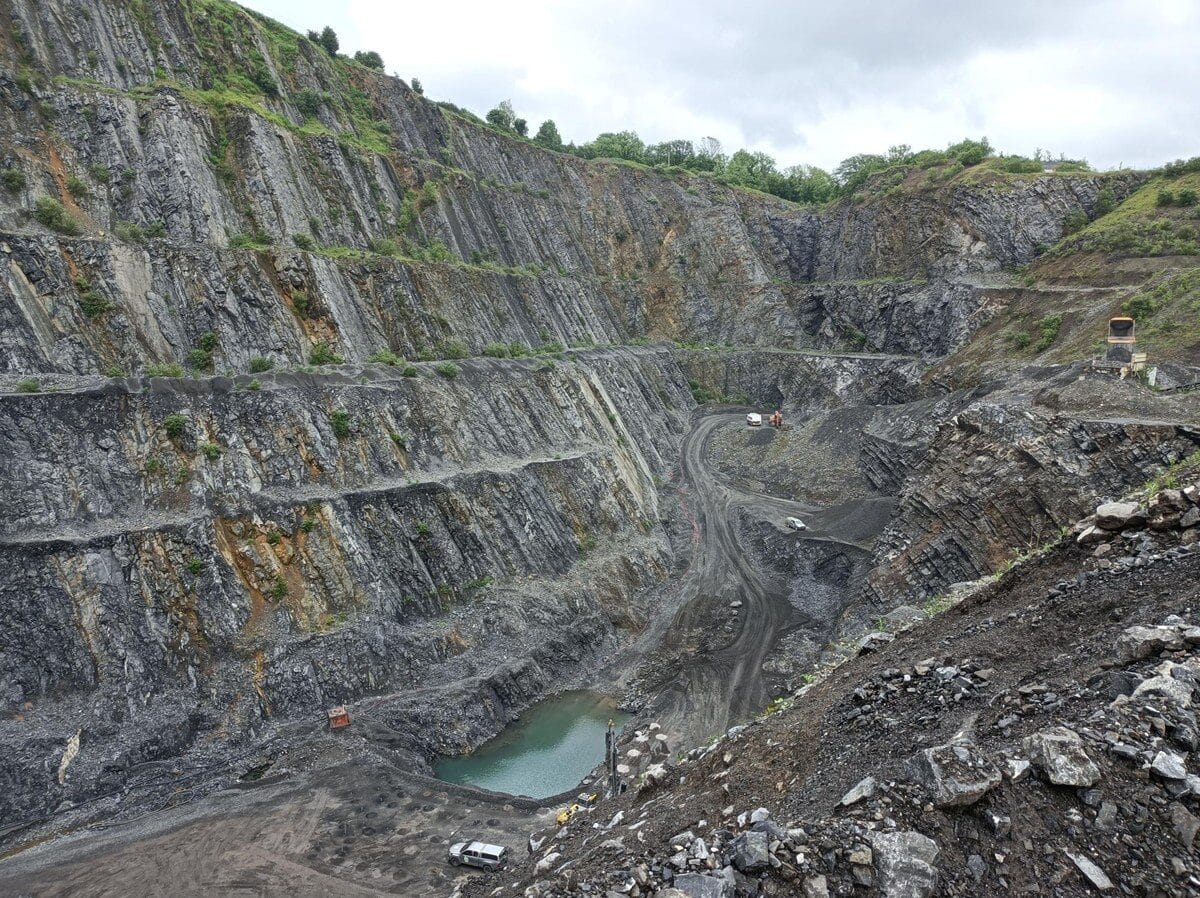
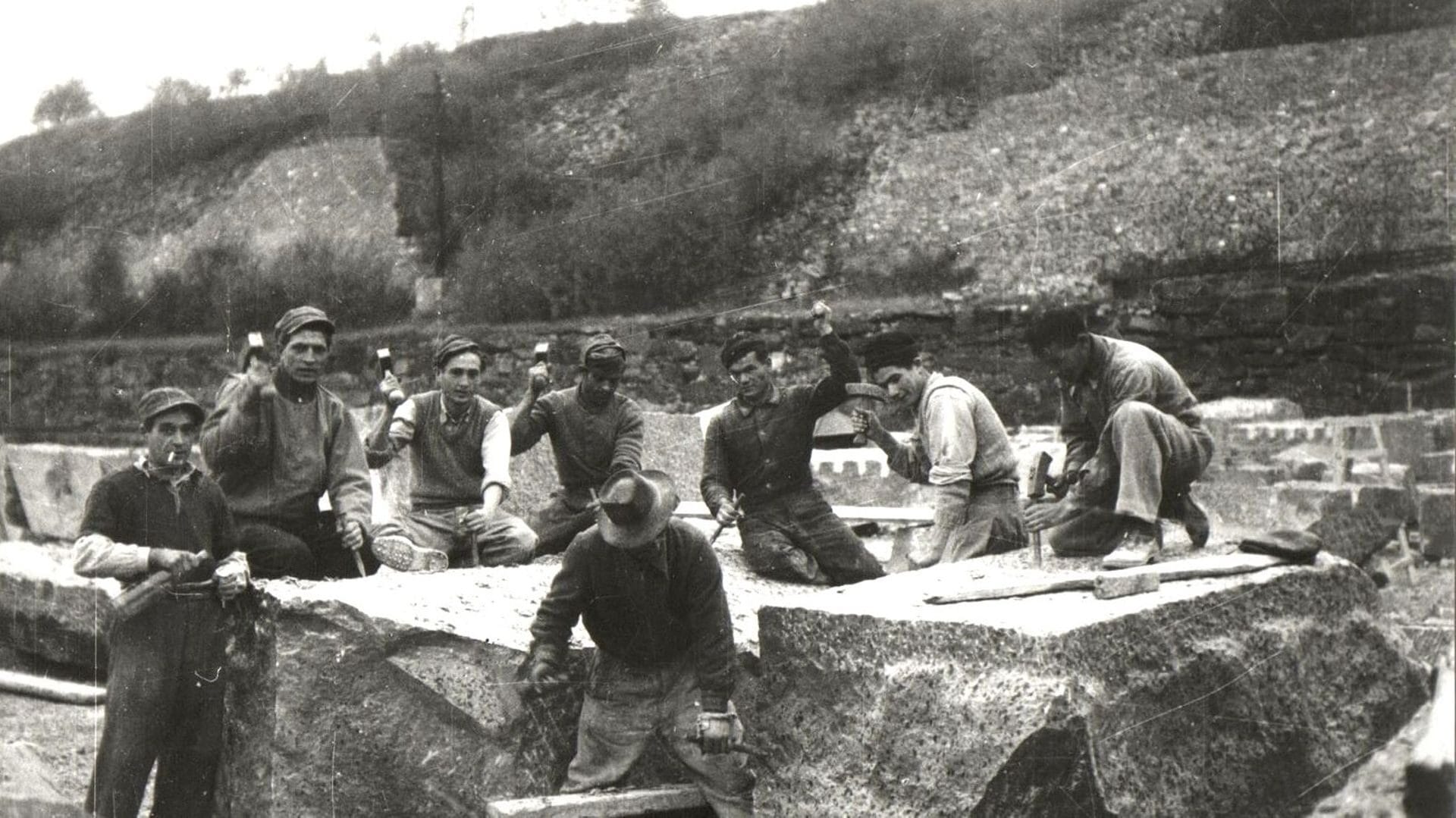
The exploitation of blue stone deposits in Sprimont dates back to ancient times. Renowned for its exceptional quality, this blue stone prompted Mathieu Van Roggen, originally from the Netherlands, to professionally operate the quarry.

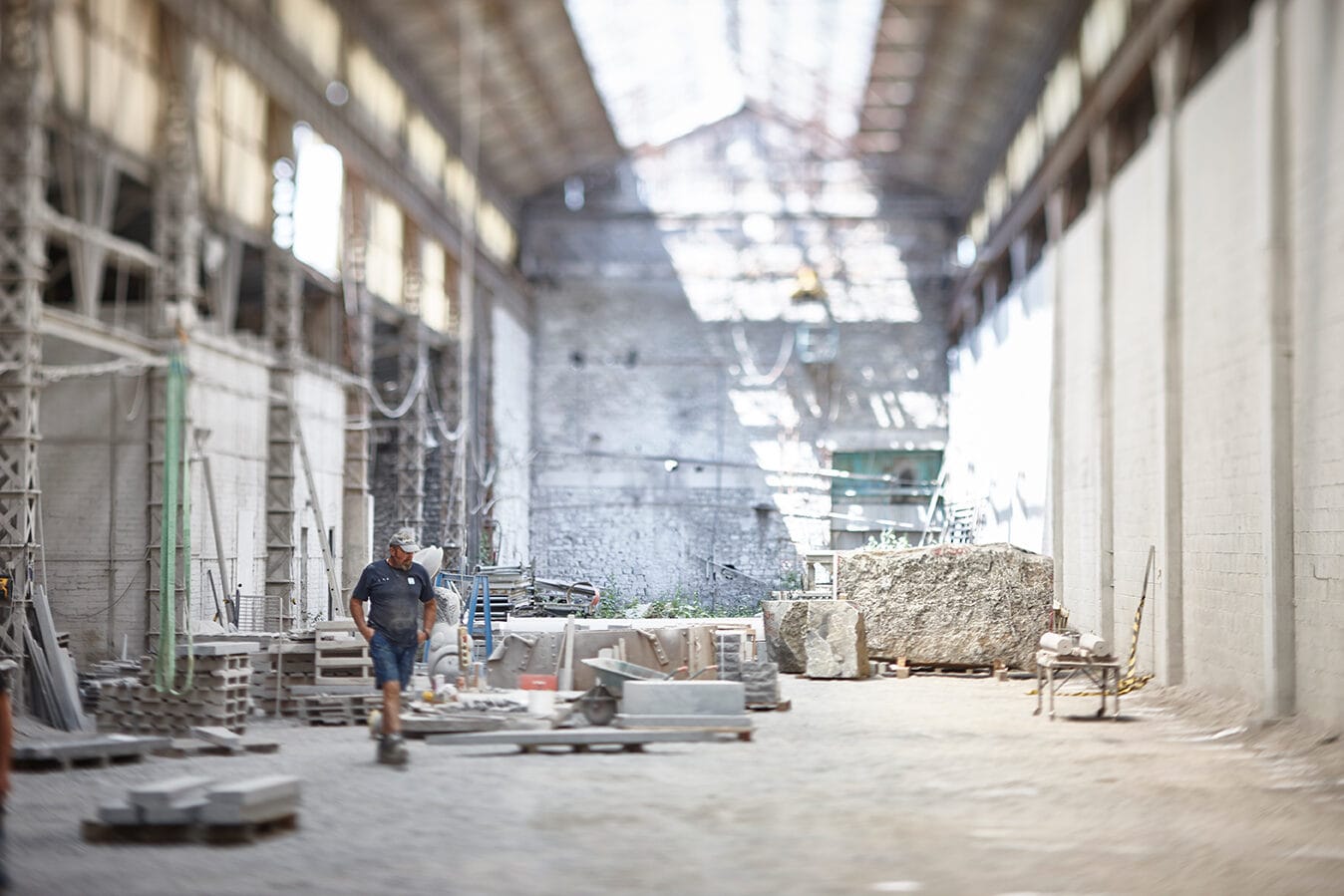
In 1880, he streamlined its operations and modernized the equipment. He had the quarry’s power plant built there in 1904, a testament to remarkable industrial architecture where SprimontBlue® predominates. The Merbes-Sprimont group managed the properties until 1984, at which point the Brancaleoni family became the owner of the operation. In 2006, the Sprimont quarry merged with the Chanxhe quarry.

Today, the operation is more active than ever, with a company comprising about fifty workers, rich in expertise and know-how passed down from generation to generation.

For over a century, the Sprimont Quarries have contributed to the construction of an exceptional architectural heritage both in Belgium and abroad.

Geology

The Sprimont quarries are located at the heart of a sedimentary basin over 100 km in diameter. It hosted sediments from the Lower Devonian to the Upper Carboniferous, over a period of approximately 112 million years.

These consist of conglomerates, sandstones, and shales (Lower Devonian), constructed (reef) or detrital limestones from the Middle Devonian and Lower Carboniferous, up to forests transformed into coal from the Upper Carboniferous, before the major tectonic movements at the end of the Primary or Paleozoic era (from -540 to -245 million years ago).

Trapped during these major movements, between the Ardennes Massif to the south and the Brabant Massif to the north, the Dinant Synclinorium was folded, refolded, and fractured (faults) along a southwest-northeast axis, forming anticlinal and synclinal bands, including the Chanxhe syncline in Sprimont.

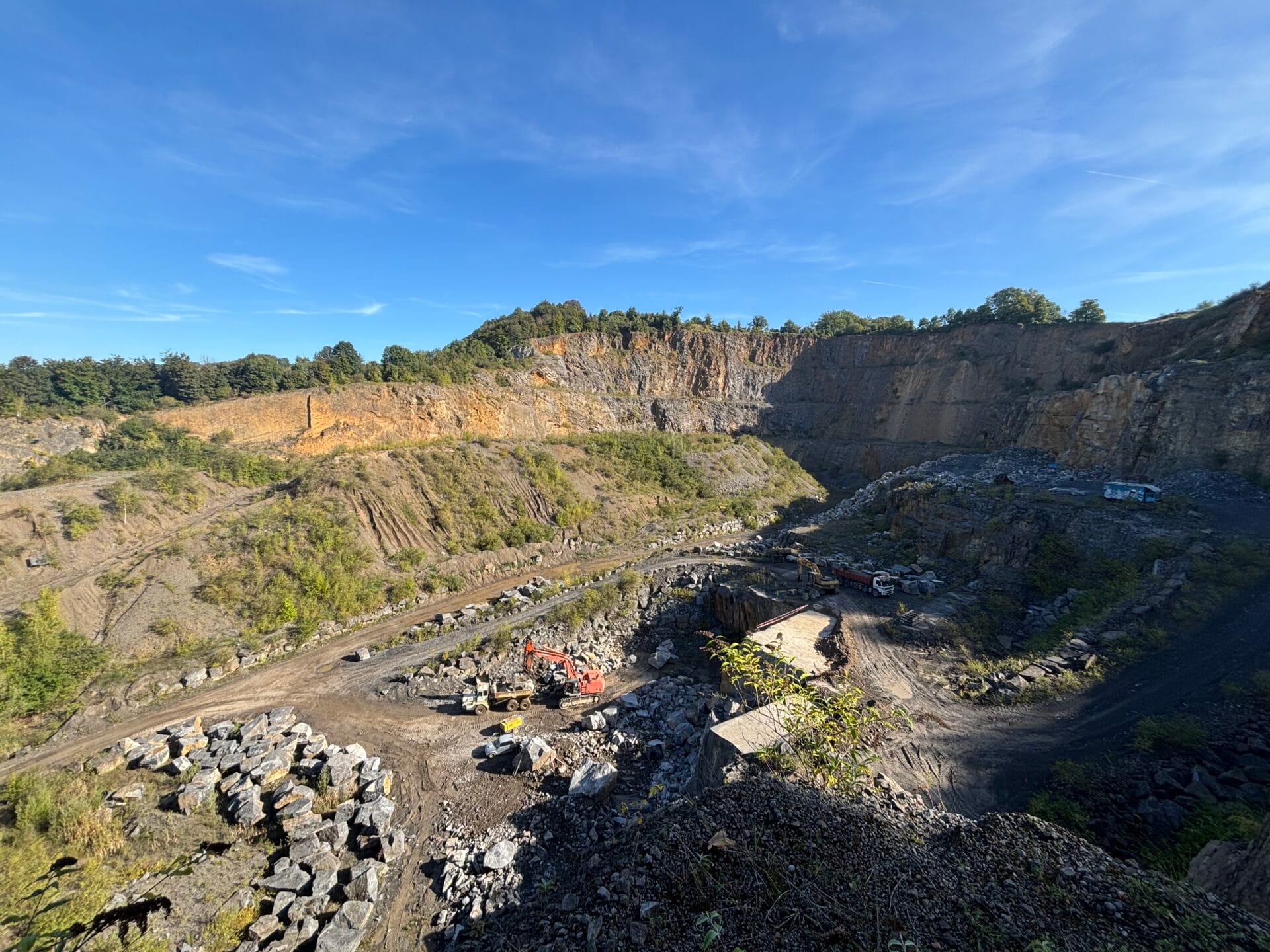
sprimontblue Open quarry with machinery, possibly for the extraction of Belgian Sandstone, under a clear blue sky.

Ourthe Encrinite

In this Tournaisian syncline, limestone is quarried as crushed stone (Yvoir and Martinrive Formations) and as dimension stone, including the ‘Ourthe small granite,’ also known as ‘Ourthe Encrinite,’ highly sought after for its beauty and robustness.

Features

Indeed, although relatively soft and thus easy to cut and polish, these accumulations of crinoid ossicles (sea lilies, Echinodermata phylum) composed of white calcite (calcium carbonate), welded or cemented also by calcite in small grey-blue crystals, form a rock of great coherence and excellent mechanical properties.

Dr. André Chabot, Geologist

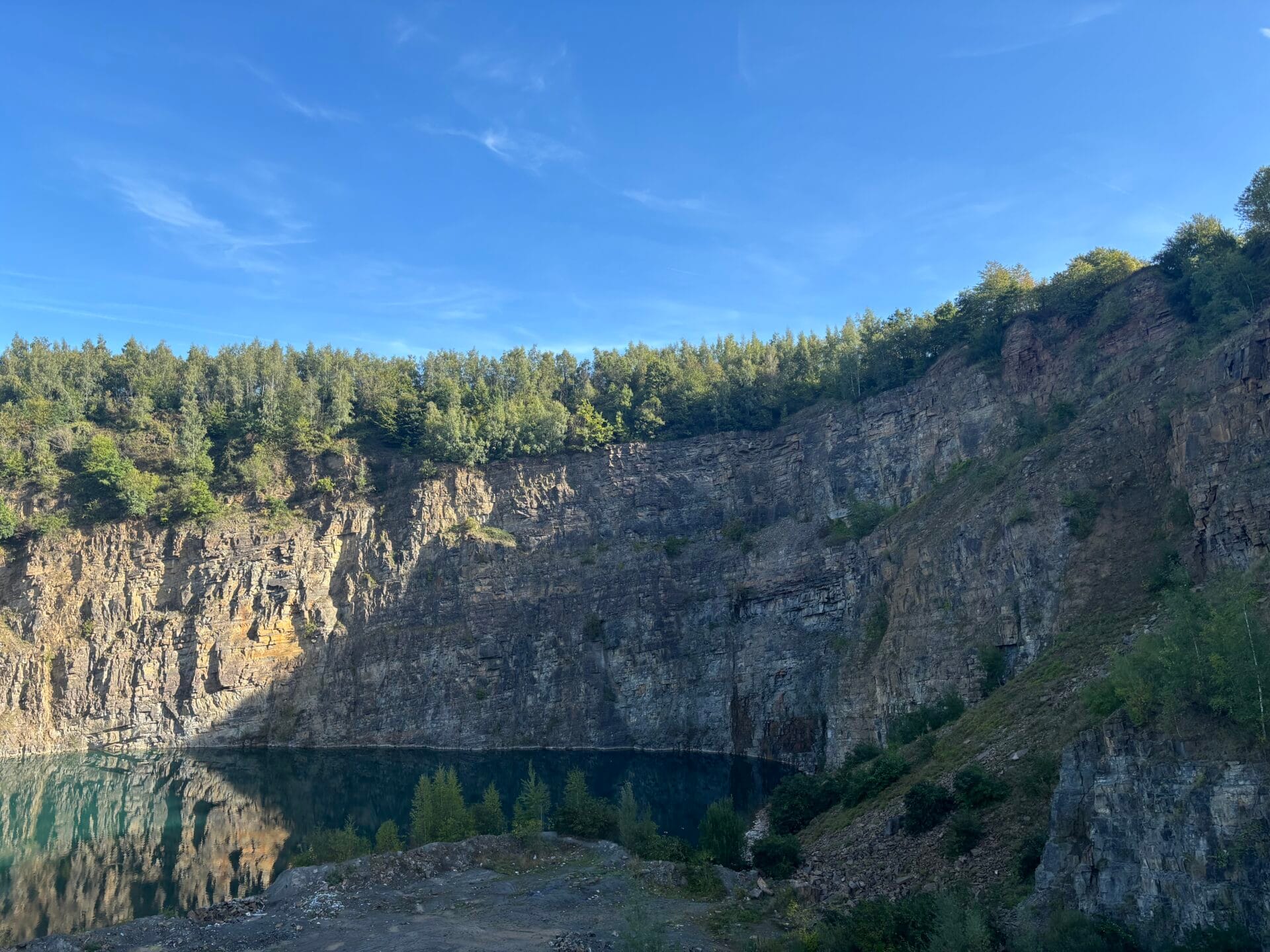
sprimontblue Belgian sandstone quarry with a lake and natural stone cliffs under a blue sky.

Sustainable Development

Do you have any questions? Or would you like to know more? Please do not hesitate to contact us.